


Coody Hub Shelter Pro Teppich – passend für Hub Shelter Pro
Coody Hub Shelter Pro Teppich – passend für Hub Shelter Pro
Regular price
€249,00 EUR
Sale price
€249,00 EUR
Regular price
UVP
Taxes included. Shipping calculated at checkout.
Pre-order
Orders placed in September are expected to be delivered mid to late November 2026.
Quantity
Matching accessories
Couldn't load pickup availability
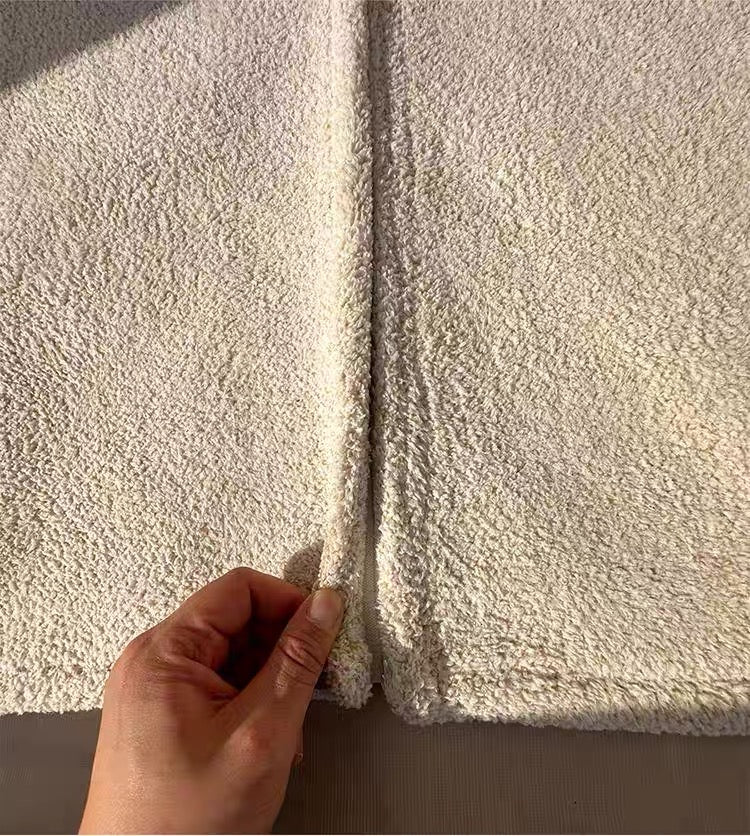
Der Coody Premium Teppich ist ein passgenauer Zeltteppich für ein Coody Luftzelt. Er besteht aus zwei Segmenten, die per Reißverschluss verbunden werden. Die rutschfeste Gummibeschichtung auf der Unterseite sorgt für sicheren Halt. Das Material ist fleckenresistent und lässt sich leicht reinigen – weich und isolierend für mehr Komfort im Zelt.
Technical data
Technical data
Dimensions & Weight
Dimensions & Weight
Packaging dimensions
Packaging dimensions
Scope of delivery
Scope of delivery
Manufacturer information
Manufacturer information
Coody Co., Ltd.
Gyeongsangnam-do,
Changwon, Masan Hoewon-gu,
Nae-seo-eup, Sinpyeong-ro 35-2,
(주)쿠디, South Korea
+82 70-8803-6981
Responsible person
Responsible person
E-Market Bridge GmbH
Käthe-Kollwitz-Str. 2A
31157 Sarstedt
Email: info@coody-camping.de
User manual
User manual
Safety instructions
Safety instructions



Preparation and setup
- Always set up the tent on elevated ground, away from trees with heavy snow loads or open fire sources.
- Make sure there is adequate distance from water sources and rivers.
- Avoid setting up on slopes or uneven terrain.
Operating temperature
- Suitable for outdoor use in a temperature range of -15 °C to +40 °C.
- PVC hardens at sub-zero temperatures – the base and supports become stiffer, making folding more difficult. This is normal.
- Use sleeping bags with the appropriate temperature rating and place additional insulating mats underneath for added comfort.
Heating and insulation
- A roof vent for a wood-burning stove is available. Only stoves with spark guards may be used. Safe electric heaters are permitted. Open flames are not allowed.
- Ensure adequate ventilation to prevent the build-up of carbon monoxide.
- Use the internal partition (if available) to keep the heat in the sleeping area.
- Keep TPU windows closed to retain heat; open them only briefly for ventilation.
- Improve insulation by placing carpets, blankets, or mats on the floor.
Air pressure and poles
- Air pressure drops in freezing temperatures – check it regularly and pump up if necessary.
- Make sure that all valves are completely and correctly closed.
Condensation and moisture
- Condensation is normal and comparable to fogged windows. The higher the waterproofness of the material, the less breathable it is, which can increase condensation.
- Good ventilation is the best way to reduce condensation.
Protection from rain and snow
- The tent withstands moderate rain for about 4–5 hours. In light or occasional rain the rainfly is not strictly necessary.
- In prolonged rain, always use the supplied rainfly.
- Remove the rainfly after rainfall to improve air circulation and avoid condensation.
- Pre-attach or roll up the rainfly on one side so it is quickly to hand in continuous rain.
- Fit the rainfly immediately when it snows. Accumulated snow increases the moisture load.
- Clear snow from the tent roof regularly.
- If zips freeze, thaw them gently by hand or with warm water – never force them open.
- After winter use, let the tent dry completely before storing it.
Folding and storage
- Cold temperatures make PVC and fabric stiff, making folding more difficult.
- Fully ventilate the tent before packing it away.
- Allow the tent to dry completely in a well-ventilated place and store it only in a dry place.
Care and maintenance
- Do not wear boots or shoes indoors.
- Keep sharp or pointed objects away from walls and floors.
- Do not place the tent near chemicals or flammable substances.
- Mold and prolonged UV exposure shorten the lifespan – keep the tent clean and protected.
- Reduce direct sunlight; use the rain cover if necessary.
Fire protection measures
- Use electrical appliances carefully and properly.
- Keep the entrance clear at all times so that the emergency exit remains accessible.
- Keep a fire extinguisher or suitable extinguishing agent nearby.
- Keep fireworks and similar items away from children and the tent.


